
How to enter the German market
Germany – an European economic powerhouse
As the founding member of the European Union and its most populous country[1], Germany is normally one of the first markets that companies expand into. Thirty-six years after the unification of the Federal Republic of Germany and the German Democratic Republic, the standard of living in all German regions is very high[2], even though there are still some noticeable differences between the West and the East. Wondering how to enter the German market? We’ve prepared this guide with you in mind!
Key information about 🇩🇪 Germany
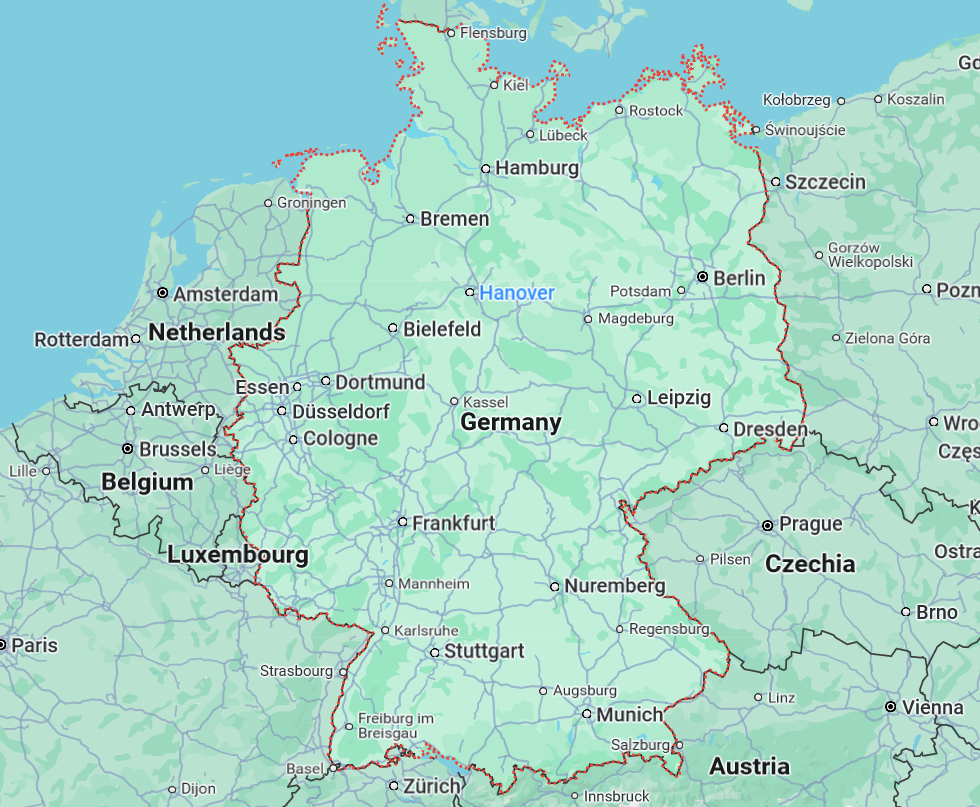
Source: Google Maps
Germany and the EU
Is Germany in the European Union? Yes. In addition, the Federal Republic of Germany was one of the six founding members of the European Coal and Steel Community (1952) – an organisation whose growth led to the establishment of the EU.
Germany and Schengen
 Germany is part of the Schengen Area, having been the treaty’s original signatory. It means that no border control takes place at Germany’s land, maritime, and air borders. Thanks to that, the logistics of the transport of goods is streamlined.
What currency is used in Germany
The official currency is the euro (EUR), divided into 100 euro cents. It officially replaced the German mark on 1 January 2002 (however, the transition period began already in 1999).
General Economic Overview
| GDP (nominal) | $5.453 trillion |
| GDP (nominal) per capita | $65,303 |
| Unemployment rate | 6.4% |
| Labour force participation rate | 61.7% |
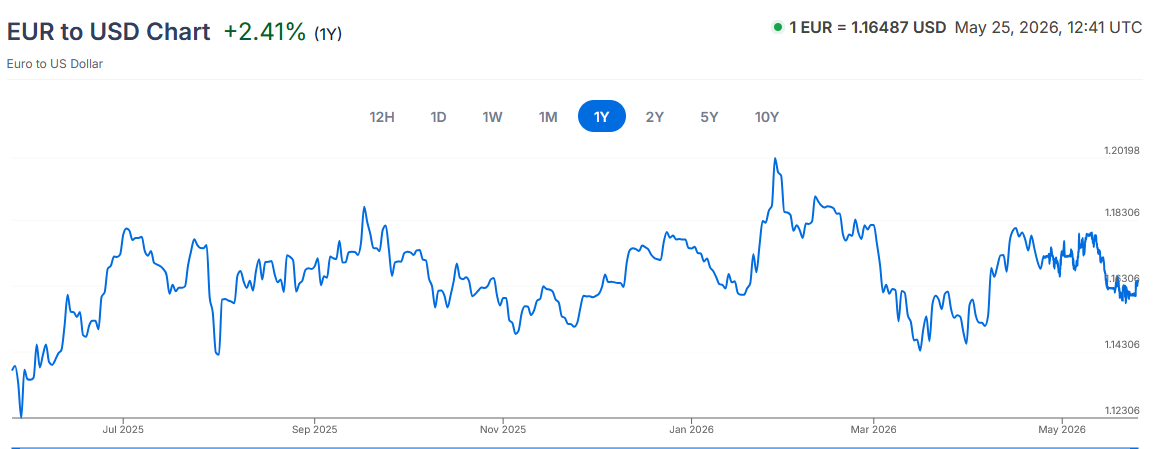
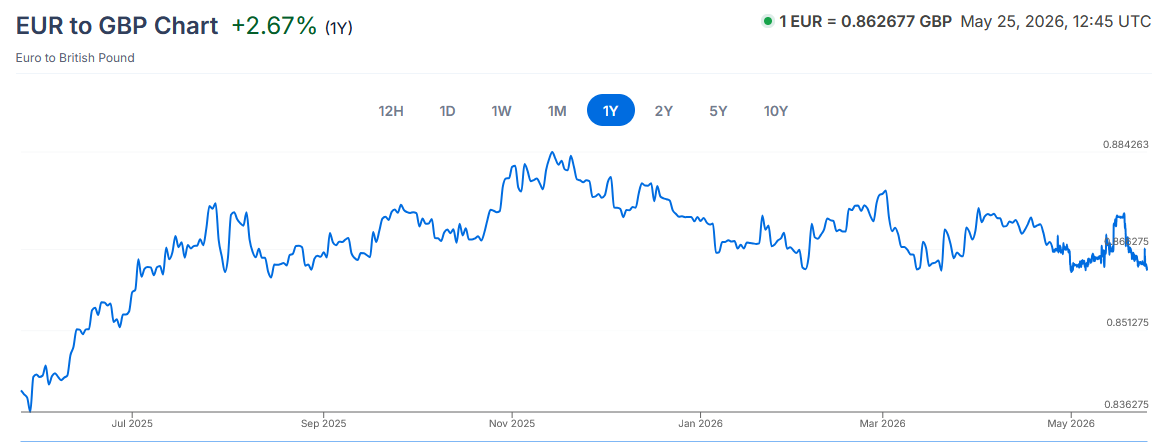
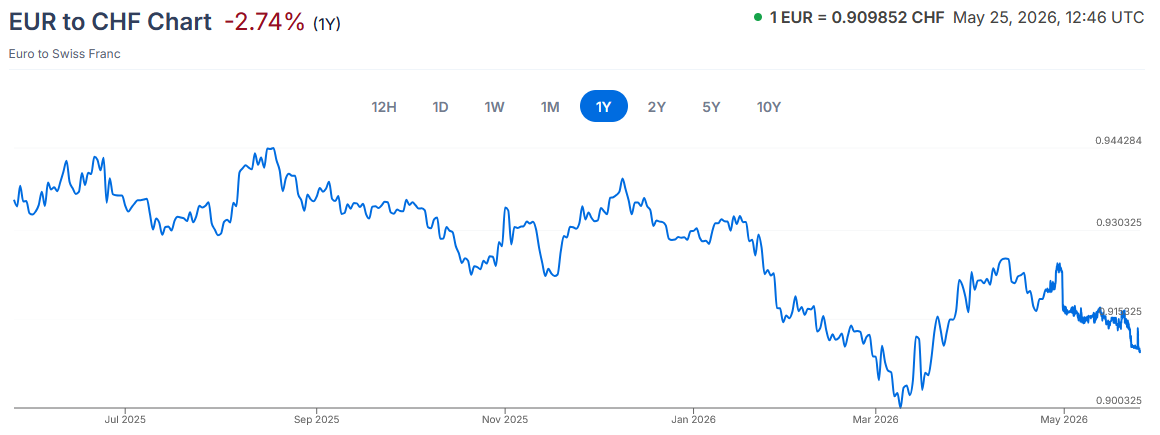
| Currency exchange rates | EUR 1 = USD 1.16, GBP 0.86, CHF 0.91 |
| Budget deficit | 2.7% of the GDP |
| Inflation (EUR) | 3% |
| Average monthly earnings | EUR 5,786 |
| Big Mac Index | USD 7 (for the eurozone) |
Aggregate data for the last available period
VAT in Germany
Within the European Union, VAT rates depend on whether you’re a business or an individual and whether you buy services or products. Due to Germany’s membership in the EU, these cross-border taxation rules apply to the country as well.
VAT rates in Germany
In Germany, there are three VAT rates:
If you want to learn more on the topic of VAT in Germany, look here. If, on the other hand, you’re interested in how VAT is charged in the EU, visit this website.
Legal Requirements
Data Protection and Privacy
In Germany, the provisions of the GDPR (European General Data Protection Regulation) apply. Therefore, the main legal grounds based on which data can be processed are:
- consent of the data subject;
- necessity to perform a contract;
- necessity to meet legal requirements;
- protection of the vital interests of the data subject;
- tasks performed in the public interest;
- legitimate interest of the data controller.
Germany has its own data protection supervisory activity – the Federal Commissioner for Data Protection and Freedom of Information (Die Bundesbeauftragte für den Datenschutz und die Informationsfreiheit).
Consumer Protection
Among the top German bodies responsible for consumer protection is the Federal Ministry of Justice and Consumer Protection (Bundesministerium der Justiz und für Verbraucherschutz). Some of the most important consumer rights are:
- right to purchase goods free of defect;
- right to have a defect of goods removed;
- right to warranty and statutory warranty;
- right to withdraw from an electronic contract within 14 days (the “cooling-off period”).
In addition, EU consumer protection laws apply.
You will find additional information on the protection of consumer rights in Germany here.
Customs and Import/Export Regulations
If you’re eyeing cross-border sales in Germany, and your company is registered in another EU country, you must take into consideration thresholds over which transactions must be reported to Intrastat. In 2026, in Germany, yearly import threshold is EUR 3,000,000, and the yearly export threshold – EUR 1,000,000. Interestingly, intra-EU transactions aren’t officially termed “imports” and “exports”, as these refer to commercial transactions with countries from outside the EU.
One of the EU’s key principles is the free movement of persons and goods. This means that for the majority of intra-EU sales no duty is due. An exception is some chemical products or excised goods, such as cigarettes. If you operate your business outside the EU, you may be interested in a detailed description of rules regarding transactions from outside the community.
You’ll find more on the topic of EU – and, by extension, German – customs regulations here.
E-commerce in Germany
In Germany, which is a highly developed country, e-commerce is incredibly popular. As was the case with many other regions, its popularity grew rapidly during the COVID-19 pandemic. Over 93% of Germans have access to the internet (with a large majority owning a mobile device).[3] In 2026, as many as 66 million German citizens will shop online.[4]
Payment methods
In the 2020s, the most often provided online payment method in Germany is PayPal. Almost equally popular is card payment. Conversely, only slightly more than a half of e-shops allow their customers to pay by electronic transfer (Sofort). It might be an interesting area for foreign payment processors to offer their services.[5]
Delivery methods
In 2020, as many as 84% of Germany’s 500 biggest online shops offered the possibility of DHL courier shipping or a parcel locker delivery. Meanwhile, only about 25% enabled in-store pick-up.[6] In 2025, there were 15,500 parcel lockers in Germany, with well over a half belonging to the German logistics giant.[7] [8]
E-commerce in Germany – statistics
Most popular online purchases
Germans like to order food via the internet – in 2024, this sector was projected to generate almost 17 billion dollars of profit. Popular platforms include Uber Eats, Wolt, and Lieferando (German counterpart of Just Eat).
German marketplaces
According to Statista.com data, in 2024 in Germany, Amazon reigned supreme in the segment of online marketplaces, with a share of 47% of the German e-commerce market. Domestic sites, such as Kaufland or Otto, accounted for a total of 10%.
Consumer Behaviour and Preferences
Germany’s official language is, of course, German; still, a large part of the population speaks English, too. What’s more, people from national minorities live in Germany as well (e.g. Poles, Arabs, Turks, or Danes). For this reason, apart from the mandatory German website version (English isn’t enough – Germans want to shop in their own language), others are most welcome, too.
Germans attach big importance to convenient delivery methods. As many as 60% of buyers are willing to forego a purchase if they find no comfortable shipping option.[9] Interestingly, as of 2024, only every fifth German online seller provided shipping options from different companies.[10] Such a situation seems to be an opportunity for businesses from the courier industry. Generally, the more delivery options are available, the better – it’s easier to meet the expectations of any potential customer.
Located geographically and culturally in the very heart of Europe, Germany normally celebrates similar holidays to other Christian countries. Thus, a good opportunity to launch special offers or other marketing endeavours would be Easter, Christmas, New Year’s Day, or Valentine’s Day. Another very important date on the German calendar is German Unity Day (3 October), as well as the whole Oktoberfest period (September/October). Secular traditions such as Black Friday have also been gaining traction. Effective marketing efforts could also take into account a big Muslim minority.
Social media play an important role in Germans’ lives – particularly the younger generations, but not only. According to Similarweb data, the most visited site is Facebook, followed by Instagram, Reddit, and X (formerly Twitter). Paid social media advertising campaigns are worth suggesting, as is the option of selling directly via these portals. If you’re looking for a partner to draw up your social media content, let us know!
FAQ
As shown by the numbers quoted above, the German e-commerce sector is incredibly vast. The mere fact that we’re speaking of a highly developed country, with the biggest population in the EU, proves how huge a potential market Germany is for any foreign business.
Yes. In the European Union, the principle of free movement of goods applies, so doing business abroad is very easy. You can find additional information in this article, and if you’re even more knowledge-savvy, feel free to visit the linked websites.
[1] https://ec.europa.eu/eurostat/web/interactive-publications/demography-2026
[2] https://en.wikipedia.org/wiki/List_of_German_states_by_Human_Development_Index
[3] https://taxology.co/blog/german-e-commerce-market/
[4] https://landmarkglobal.com/eu/en/news-insights/top-10-essential-facts-about-german-e-commerce/
[5] https://taxology.co/blog/german-e-commerce-market/
[6] https://taxology.co/blog/german-e-commerce-market/
[7] https://nshift.com/blog/eu-parcel-locker-growth-in-2025-what-it-means-for-retailers
[8] https://nshift.com/blog/nshift-and-dhl-germany-plan-for-parcel-locker-growth
[9] https://www.gtai.de/en/invest/industries/consumer-industries/e-commerce#toc-anchor–3
[10] https://blog.getbyrd.com/en-gb/top-5-delivery-companies-in-germany
[11] https://www.billwerk.plus/blog/invoicing-payments/the-most-popular-online-payment-methods-in-germany/


Leave a Reply